
Villafranca Tirrena…a town to discover
On one side the sea, the Tyrrhenian coast overlooking the natural wonder that is the Aeolian Islands; on the other the Peloritani Mountains, an easy destination for those who love to immerse themselves in unspoiled nature of incomparable beauty for its unique features. Halfway between Messina and Milazzo, Villafranca Tirrena is a town that invites seaside vacations and pleasant stays.
Formerly called Bauso, Villafranca Tirrena became an autonomous municipality in 1825, maintaining the name Bauso until 1929. The first documented records date back to 1271, when King Charles of Anjou assigned the Bàusus fief to Pierre Gruyer, previously belonging to Enrico de Dissinto. In the Aragonese period, the Bauso fief and that of Calvaruso belonged to various noble families. In 1548, the barony of Bauso was purchased by Giovanni Nicola Cottone.
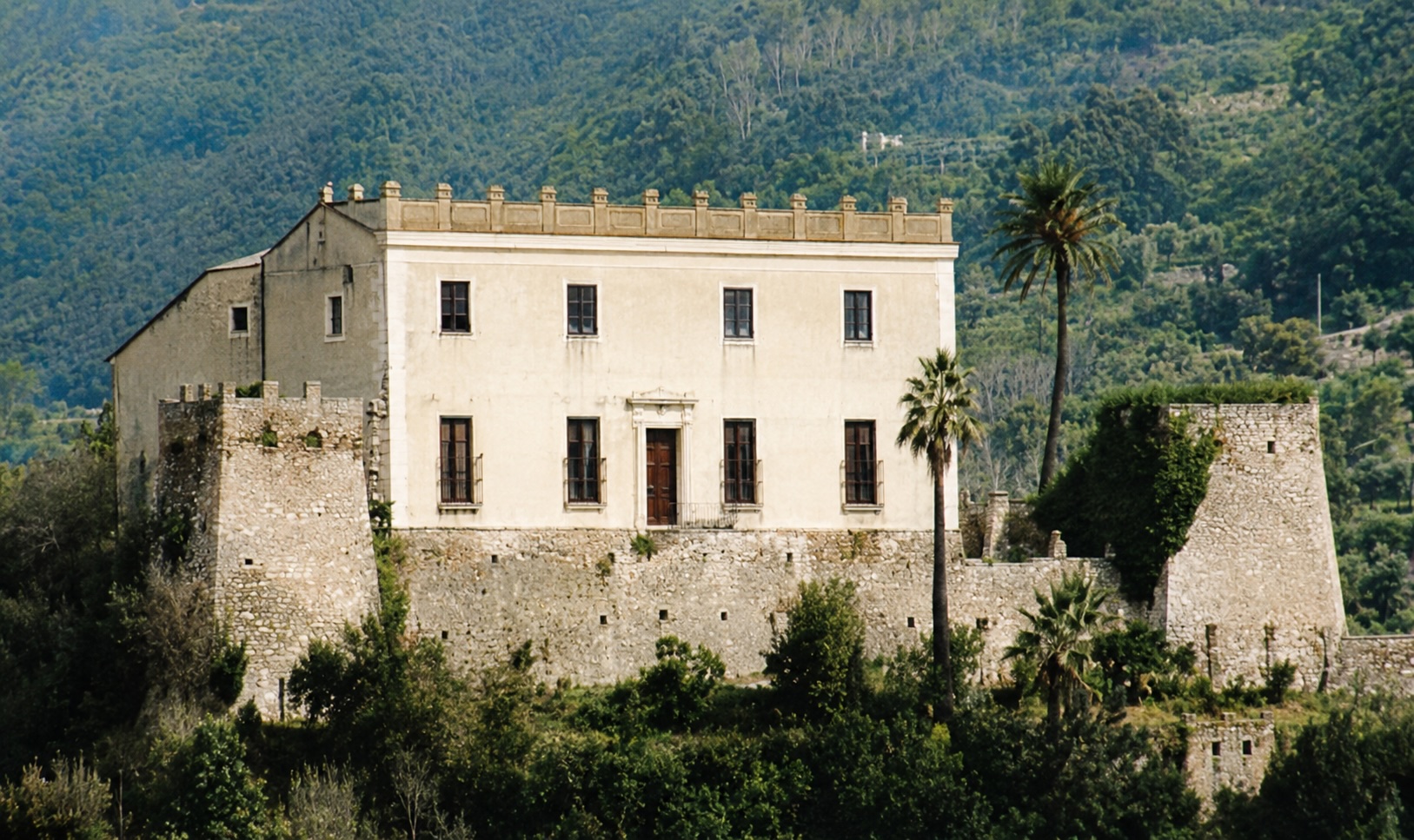
In 1590, Stefano Cottone had the castle rebuilt, previously erected in the Arab-Norman period. In 1591, Emperor Philip II elevated the fief of Bauso to a county, and in 1623 Philip IV invested Giuseppe Cottone with the title of Prince of Castelnuovo (another name for the county of Bauso).
Among the numerous cultural landmarks stands the “Ecce Homo Sanctuary” of Calvaruso, which contains, among other things, the “Museum of Devotion,” where a series of statuettes depicting the massacre of the “Innocents” by sculptor G. Gemolo, a wooden statue of St. Margaret, some sacred books from the ancient library of the Convent, and other objects of significant cultural value are preserved.
Of artistic merit is the main altar of the Sanctuary, surmounted by a canvas by an unknown author from the 16th-17th century depicting the Immaculate Conception, St. Anne, St. Clare, St. Francis, and St. Margaret of Antioch. Another work present in the Sanctuary is the wooden ciborium placed on the main altar. Adorned with mother-of-pearl friezes, on three superimposed levels, several statuettes stand out: St. Bonaventure, St. Paschal Baylon, St. Francis, St. Anthony of Padua, and the Crucifix.
Special mention should be made of the wooden statue of the Ecce Homo, created by Brother Umile da Petralia on commission from Prince Moncada.
The villages of Castello, Calvaruso, and Serro represent the ancient soul of the town. These still preserve many ancient architectural features: some houses jealously guard hand-carved stone blocks, such as columns and door arches. Many balconies are supported by “cagnola,” created by stonemasons who worked the stone extracted from local quarries (Bauso stone).


